

Compare Coram AI, Lumana, and Verkada cloud NVR platforms. Expert guide to AI-powered security cameras, features, and which platform fits your business.

Update (2026): Harris Technology Services now recommends Lumana over Coram AI for cloud-based NVR deployments. Lumana offers superior AI analytics, better multi-site management, and a camera-agnostic approach that works with your existing IP cameras. We also install Verkada for businesses that prefer an all-in-one hardware and software platform. Read our full Lumana AI guide here →
In today's world, security has evolved from traditional methods to advanced cloud-based systems. Cloud-based NVR platforms are at the forefront of this change, offering innovative solutions that enhance safety and efficiency. This article explores how cloud-based NVR technology is transforming security, making it easier for businesses to manage surveillance across multiple locations while integrating cutting-edge AI.
Cloud-based NVRs offer real-time updates and improvements, unlike traditional on-premise systems.
Modern cloud NVR platforms like Lumana are camera agnostic, allowing users to keep their existing cameras while adding AI features.
Advanced AI capabilities such as people detection, license plate recognition, and anomaly detection enhance security measures.
Cloud platforms are cost-efficient, requiring no new hardware and providing easy setup and management.
Centralized management enables businesses with multiple locations to optimize operational efficiency.
In recent years, security systems have undergone a significant transformation. The shift from on-premise systems to cloud-based NVRs has changed how businesses protect their assets. This evolution is driven by the need for better flexibility, scalability, and efficiency in security management.
Enhanced Data Protection: Cloud systems offer automatic backups and encrypted storage, ensuring that footage is safe from physical damage and unauthorized access.
Adaptability: With the rise of cyber threats, cloud-based systems provide advanced features like AI analytics, allowing for proactive threat detection.
Scalability: Businesses can easily adjust their security needs without being limited by physical hardware, making it suitable for both small and large enterprises.
High Maintenance Costs: On-premise systems require ongoing maintenance and updates, which can be costly.
Limited Accessibility: Accessing footage remotely can be challenging, often requiring complex setups.
Vulnerability to Physical Damage: On-site equipment is at risk from natural disasters or theft, potentially leading to data loss.
While Coram AI was an early entrant in the cloud-based NVR space, the market has matured significantly. After evaluating all major platforms, Harris Technology Services recommends two solutions that deliver better performance, reliability, and value:
Lumana offers a camera-agnostic approach — businesses can integrate their existing IP cameras with advanced AI capabilities without replacing hardware. Lumana delivers stronger AI analytics, more reliable multi-site management, and better bandwidth optimization than Coram AI. This makes Lumana ideal for organizations that want to add AI analytics to an existing camera investment.
Verkada provides an all-in-one hardware and software platform with cameras that include onboard AI processing and built-in storage. Verkada is ideal for businesses that want a turnkey solution with minimal infrastructure requirements.
Both platforms offer cloud-managed dashboards, AI-powered alerts, and multi-site management. The right choice depends on whether you want to leverage existing cameras (Lumana) or prefer a fully integrated hardware-software ecosystem (Verkada).
Platforms like Lumana are camera agnostic, meaning they can work with any existing IP camera. This allows businesses to retain their current camera setups while adding advanced AI features without the need for costly replacements. This flexibility is crucial for organizations looking to upgrade their security without significant investment.
Modern cloud NVR systems are powered by the latest AI processors, providing higher compute power per camera. This results in more intelligent processing capabilities, enabling advanced features like real-time alerts, people detection, and behavioral analytics.
Cloud-based NVR systems are inherently cost-efficient. Camera-agnostic platforms let businesses avoid the expense of replacing existing equipment. All-in-one platforms like Verkada eliminate the need for separate NVR hardware entirely. Both approaches are designed to be future-proof, with automatic software updates delivering new AI features without hardware changes.
In today's security landscape, integrating advanced AI technology with cloud-based NVR systems is transforming how we monitor and respond to incidents.
Real-time monitoring: AI systems can instantly recognize and log license plates, enhancing security at entry points.
Data storage: Information is stored securely in the cloud, making it accessible from anywhere.
Alerts: Users receive immediate notifications for flagged vehicles, improving response times.
Occupancy monitoring: AI distinguishes between people, vehicles, and animals — eliminating false alarms from motion-only systems.
Zone-based alerts: Define restricted areas and receive alerts when people enter during off-hours.
Traffic analytics: Understand foot traffic patterns for retail, warehouse, and campus environments.
Behavioral analysis: AI identifies unusual patterns — loitering, perimeter breaches, or vehicles in unauthorized areas.
Instant alerts: Security personnel are notified within seconds via mobile push notifications.
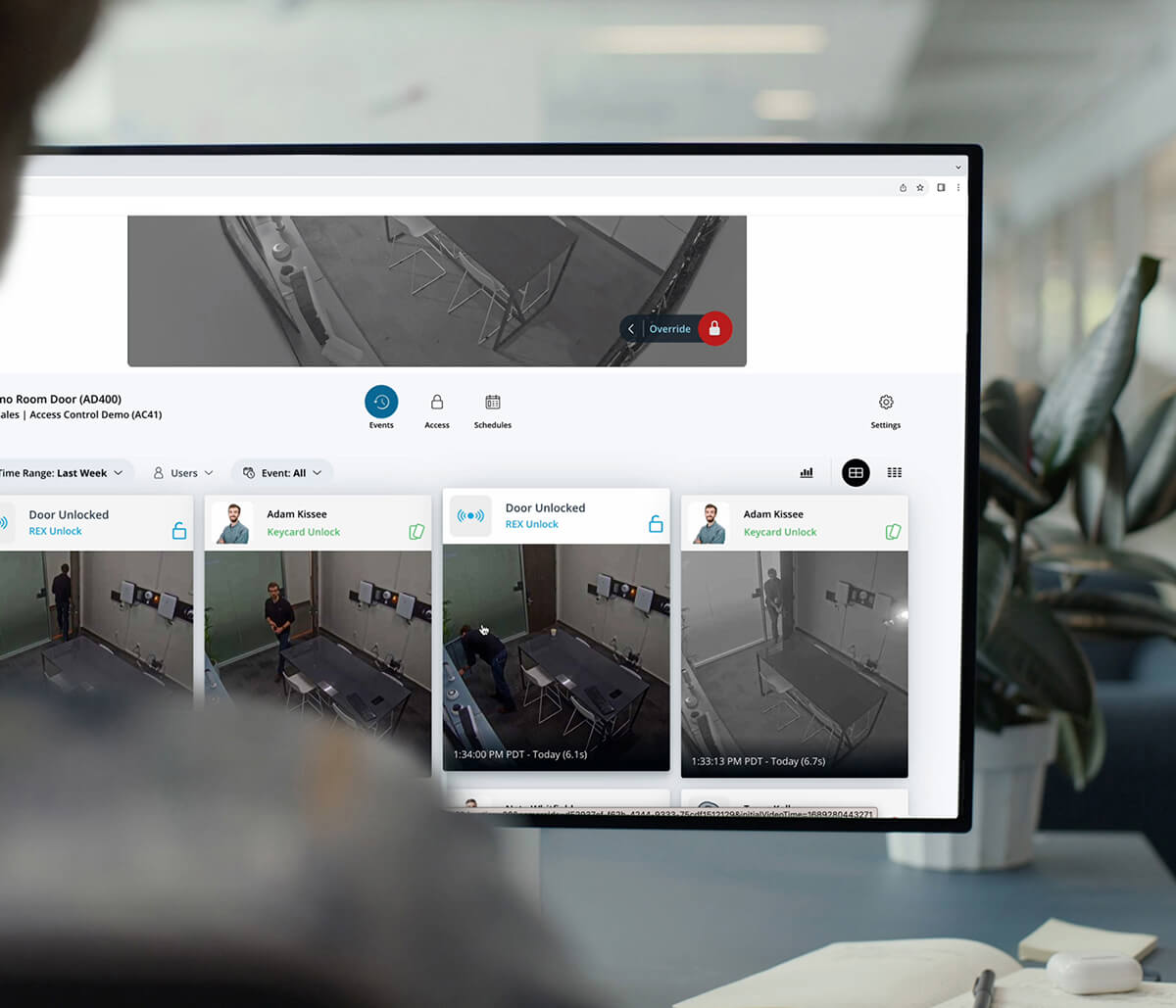
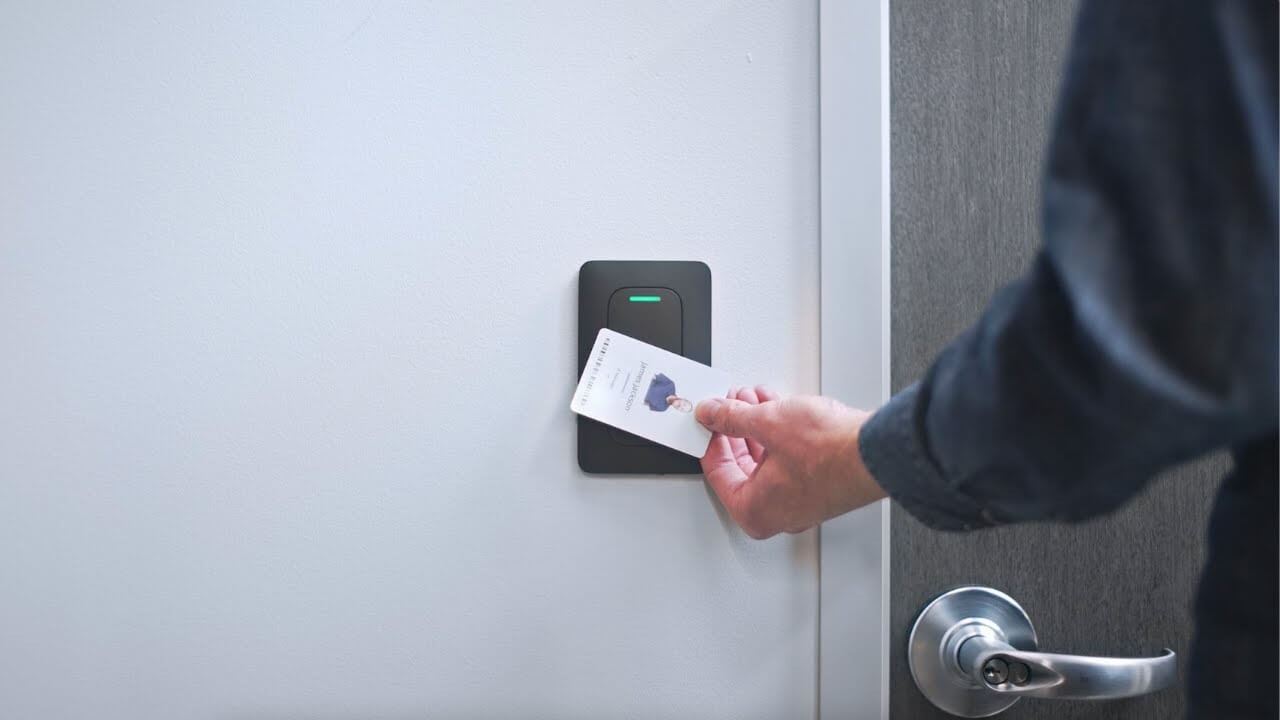
Integration with access control: Camera events can trigger door lockdowns and bookmark footage automatically.
Businesses with multiple locations face unique challenges in maintaining security. Cloud-based NVR platforms offer a seamless solution that enhances surveillance across various sites.
Unified Dashboard: All camera feeds can be accessed from a single platform, simplifying monitoring.
Real-Time Alerts: Receive immediate notifications for any suspicious activity across all sites.
Role-Based Access: Assign different permission levels for site managers, security teams, and executives.
Efficient Streaming: Video is only sent to the cloud when being viewed or when AI detects events, saving bandwidth.
Edge Processing: AI analytics run on-camera or on local appliances, reducing cloud data transfer.
Cost-Effective: Reduces the need for extensive IT infrastructure, lowering overall costs.
When selecting a cloud-based NVR system, consider these factors:
Existing camera investment: If you have quality IP cameras already installed, a camera-agnostic platform like Lumana maximizes your existing investment.
Greenfield deployment: For new installations, an all-in-one platform like Verkada simplifies procurement and installation.
Multi-vendor strategy: Some organizations deploy both platforms — Lumana for retrofitting existing sites and Verkada for new builds.
AI capabilities: People detection, LPR, anomaly detection, and search-by-description.
Integration: Compatibility with access control, alarm systems, and existing network infrastructure.
Compliance: Data encryption, SOC 2 certification, and compliance with industry regulations (HIPAA, PCI).
Total cost of ownership: Factor in hardware, licensing, cloud storage, and ongoing support.
Harris Technology Services is an authorized partner for both Lumana and Verkada, serving businesses throughout Philadelphia, New Jersey, and Delaware. Our team can assess your existing camera infrastructure, recommend the right platform for your needs, and handle the complete installation. Contact HTS at (877) 877-9080 for a free security camera assessment.
Connect with us to explore our scalable solutions tailored to your unique needs and receive a personalized free quote.